Table of Contents (14 sections)
Understanding Home Nursing Care
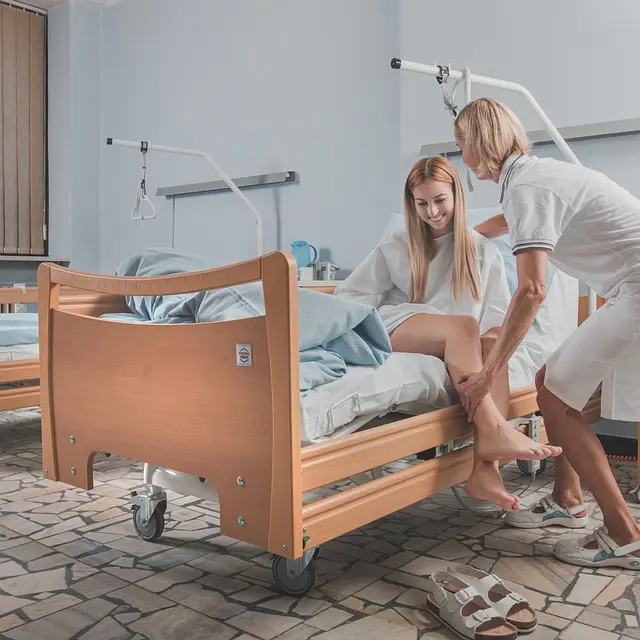
Home nursing care is a vital aspect of healthcare that involves providing medical and personal care to patients within their homes. This practice addresses various needs, from chronic disease management to post-operative care. The Centers for Medicare & Medicaid Services indicates that almost 3 million individuals in the U.S. receive home healthcare, showcasing its growing importance. At its core, home nursing care aims to promote independence while delivering essential health services tailored to the individual's needs.
Why choose home nursing care? Many families prefer it over hospital stays due to the comfort of home and the desire for a more personalized approach. Moreover, the rising costs of hospital care have motivated more people to seek in-home alternatives, where adequate support and professional care can still be accessed in a more conducive environment.
Establishing a Care Plan
Creating a thorough care plan is crucial in home nursing care. It serves as a guideline that details the patient’s needs, including medical, emotional, and dietary requirements. During the initial assessment, healthcare providers should collaborate with family members to identify goals for care based on the patient's health status and personal preferences.
Steps for creating a care plan:
- Assessment: Gather comprehensive information about the patient's medical history and current health issues.
- Goal Setting: Define clear, achievable goals with the patient and their family.
- Implementation: Outline how these goals will be met through daily routines and therapies.
- Review: Regularly assess the plan’s effectiveness and make necessary adjustments to ensure it remains relevant.
By closely involving the patient and their family in the planning process, caregivers create a sense of ownership over their health journey, which can motivate and positively impact recovery.
Creating a Safe Environment
Safety is paramount in home nursing care. A well-organized living space promotes well-being and minimizes the risk of accidents. According to AARP, more than 80% of seniors prefer to age in place, underscoring the necessity for a safe home environment suitable for their needs.
Key safety enhancements:
- Remove hazards: Clear clutter and secure rugs to prevent slips.
- Install grab bars: These should be placed in the bathroom and near stairs.
- Ensure good lighting: Adequate illumination reduces fall risk, especially at night.
- Emergency preparedness: Have a plan in place, including emergency contacts and a first aid kit.
These adjustments make day-to-day activities easier for patients and reassure both the patient and their family members.
Maintaining Effective Communication
Effective communication between caregivers, patients, and family members is essential for successful home nursing care. A lack of information can lead to misunderstandings about medications, care routines, and even emergency procedures.
Tips for communication:
- Be clear and concise: Simplify medical jargon for better understanding.
- Encourage questions: Patients and family members should feel comfortable seeking clarification on care plans or health conditions.
- Utilize technology: Consider using communication tools like telehealth services to maintain regular updates.
Regular meetings to discuss care updates foster collaboration, ensuring everyone involved in the patient's care is on the same page.
Monitoring Patient Health
Regular monitoring of a patient’s health is crucial in home nursing care. It allows caregivers to detect changes in conditions and respond swiftly, potentially avoiding serious health complications.
Health monitoring includes:
- Vital signs: Check blood pressure, pulse, and oxygen levels regularly.
- Symptom tracking: Document any changes in symptoms to discuss with healthcare professionals.
- Routine check-ups: Schedule regular visits from healthcare providers to evaluate overall health and adjust care plans accordingly.
By monitoring these aspects, caregivers can ensure that any escalation in health issues is promptly addressed, maintaining the quality of care.
Implementing Medication Management
Medication management is an critical component in effective home nursing care, helping patients adhere to complex medication schedules, which is especially important for those with chronic illnesses.
Strategies for effective medication management:
- Regular reviews: Healthcare providers should regularly review the patient’s medication regimen to optimize it.
- Adherence aids: Use pill organizers, reminders, or apps to assist in proper medication intake.
- Educate patients: Inform patients about the importance and potential side effects of their medications.
According to a study published by the American Journal of Managed Care, organized medication management can reduce hospital readmissions by 20%, showcasing its significance in home care.
Engaging with Family Caregivers
Family members play a crucial role in home nursing care. Their involvement can significantly improve patient outcomes and ensure that care is consistent with the patient's values and preferences.
Encouraging family engagement:
- Training: Provide family members with necessary training on assisting with care, such as meal preparation or mobility support.
- Establish clear roles: Define who will handle specific tasks to avoid confusion.
- Regular check-ins: Schedule frequent family meetings to discuss the patient's care trajectory and adapt responsibilities.
Engaged family caregivers often provide emotional support, further enhancing the patient’s recovery experience.
Leveraging Technology
Technology has transformed home nursing care, making it more efficient and accessible. Innovations enhance communication, monitoring, and treatment delivery.
Key technologies used in home care:
- Telehealth platforms: Allow for remote consultations with healthcare providers, minimizing the need for in-person visits.
- Wearable devices: Monitor vital signs and alert caregivers about health changes in real-time.
- Health management apps: Help track appointments, medications, and symptom logs.
Using these technologies can enhance care quality and improve patient engagement in their healthcare journey.
Creating a Comforting Environment
A nurturing and comfortable environment is essential for promoting healing in home nursing care. Patients thrive in spaces that are not only safe but also comforting and pleasant.
Ways to enhance comfort:
- Personal touches: Allow patients to personalize their space with photos or items that make them feel at home.
- Mood-enhancing colors: Use warm colors in decor to create a welcoming space.
- Noise reduction: Minimize disruptive noise to promote relaxation and sleep.
Creating a comforting atmosphere significantly contributes to the patient’s overall well-being and encourages healing.
Evaluating Care Outcomes
Finally, evaluating the effectiveness of home nursing care is vital for ensuring ongoing quality and satisfaction. Regular assessments can highlight areas for improvement and celebrate successes.
Key evaluation strategies:
- Patient feedback: Engage patients in conversations about their care experience and outcomes.
- Outcome metrics: Measure recovery rates, hospital readmissions, and treatment adherence.
- Adjust care plans: Based on evaluations, continuously adapt care strategies to fit patient needs.
Evaluating care outcomes not only enhances patient satisfaction but also supports the caregiver’s professional development and practice improvement.
Checklist before Care
- [ ] Develop a personalized care plan
- [ ] Assess the home environment for safety
- [ ] Establish an effective communication strategy
- [ ] Schedule regular health monitoring
- [ ] Implement medication management strategies
- [ ] Engage family members in care
- [ ] Utilize appropriate technologies
- [ ] Create a comforting home atmosphere
- [ ] Conduct regular care outcome assessments
Glossary
| Term | Definition |
|---|---|
| Home Nursing Care | Medical and personal care provided to patients in their home, focusing on comfort, safety, and independence. |
| Medication Management | The process of managing and overseeing a patient’s medication regimen to ensure adherence and safety. |
| Telehealth | The use of telecommunications technology to provide healthcare services remotely, enhancing access and convenience. |
> 🧠 Quiz rapide : What is the primary focus of home nursing care?
> - A) Treating patients in hospitals
> - B) Providing medical care at home
> - C) Only monitoring patients remotely
> Réponse : B — Home nursing care focuses on delivering medical care in the comfort of a patient's home.
📺 For further learning:* Explore the Benefits of Home Healthcare*, an in-depth analysis of home nursing care benefits and best practices. Search on YouTube: benefits of home healthcare.
📺 Pour aller plus loin : home nursing care tips for better patient outcomes sur YouTube