Table of Contents (14 sections)
- What is Home Nursing Care?
- The Importance of Personalized Care
- Effective Communication Strategies
- Creating a Safe Environment
- Monitoring and Documentation
- Involving Family Members
- Managing Medications Effectively
- Continuing Education for Nurses
- Utilizing Technology in Home Care
- Checklist for Quality Home Nursing
What is Home Nursing Care?
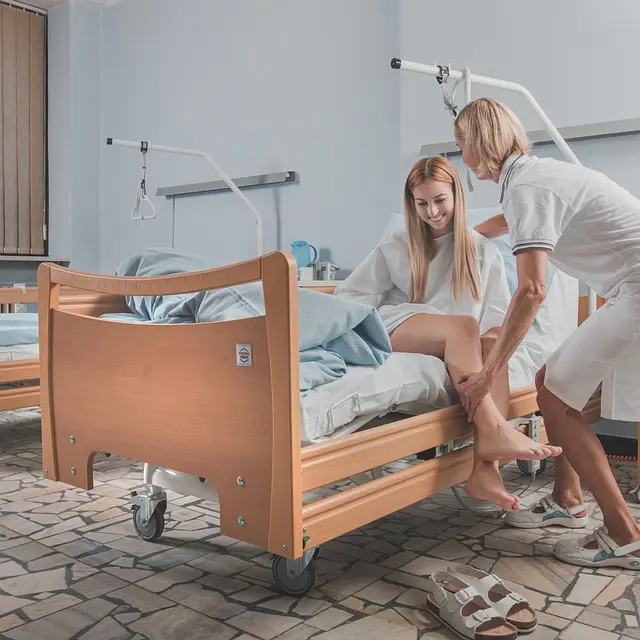
Home nursing care refers to the medical support provided at a patient’s home, primarily targeting individuals who require assistance due to chronic illnesses, disabilities, or after surgery. This type of care is essential in promoting recovery in a more comfortable environment. As per the World Health Organization (WHO), home care helps in curbing the burden on hospitals while enhancing patient satisfaction through personalized care. By implementing effective home nursing care strategies, patients can experience a higher quality of life, less anxiety, and increased independence. In 2026, the demand for skilled home care professionals continues to rise, with more families choosing at-home nursing over traditional in-hospital care.
The Importance of Personalized Care
Personalized care is paramount in home nursing settings. Each patient has unique needs and preferences that must be understood and respected. As the National Institutes of Health (NIH) suggests, care plans should reflect an individualized approach that prioritizes patient comfort and holistic well-being. For example, nurses should take into consideration the patient's medical history, preferences, and cultural background while developing care strategies. Regular check-ins ensure that adjustments can be made as conditions change. This adaptability not only improves outcomes but also builds trust between caregivers and patients, fostering a collaborative relationship.
Effective Communication Strategies
Effective communication is key to successful home nursing care. Both verbal and non-verbal communication techniques must be employed to build rapport with patients. According to a study by the American Nurses Association, 70% of patient errors occur due to communication failures. To minimize these errors, nurses should practice active listening, ensuring they understand patient concerns completely. Encouraging patients to express their feelings and preferences also creates a more positive healthcare experience. Utilizing simple language and visual aids can further enhance understanding, especially with elderly patients or those with cognitive impairments.
Creating a Safe Environment
A safe home environment is crucial for preventing accidents and ensuring the effectiveness of home nursing care. This involves assessing the home for potential hazards such as loose rugs, poor lighting, or inaccessible bathrooms. According to the Centers for Disease Control and Prevention (CDC), falls are one of the leading causes of injury among seniors. Home nurses should conduct safety assessments regularly and provide recommendations for necessary modifications, such as installing grab bars or improving lighting solutions. Educating families about emergency protocols and safe home practices can also significantly enhance patient safety.
Monitoring and Documentation
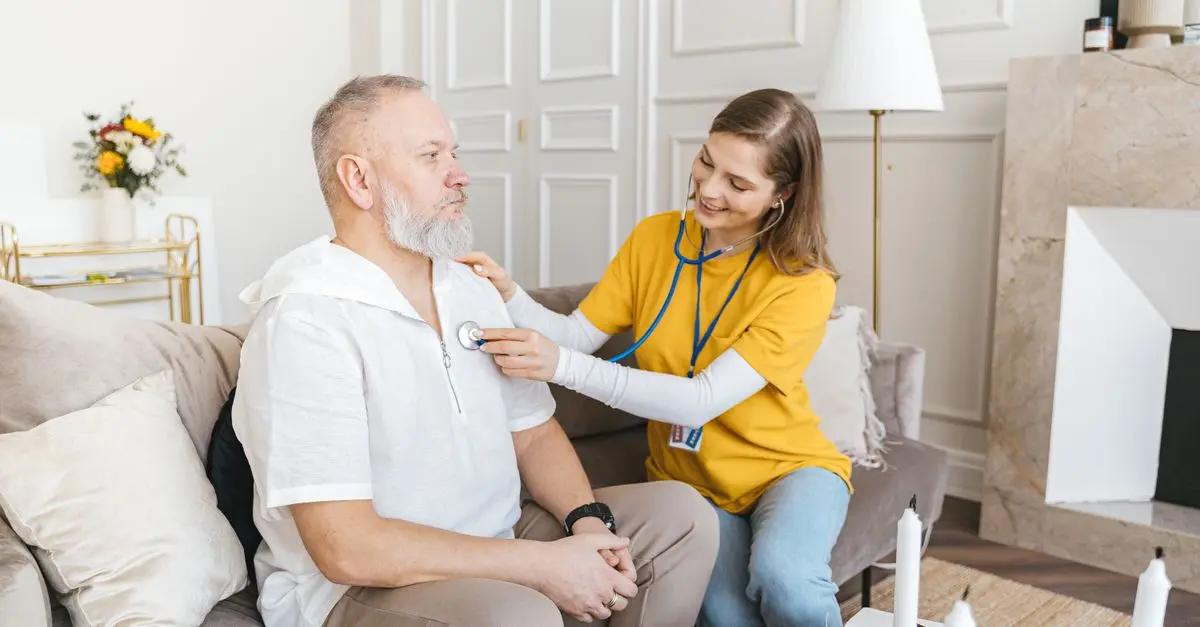
Documentation is an essential aspect of home nursing care, ensuring that patient information is accurately recorded and communicated. Effective monitoring includes tracking vital signs, medications, and overall progress. According to Healthcare Information and Management Systems Society (HIMSS), proper documentation reduces the risk of medication errors and promotes continuity of care. Nurses should utilize electronic health records (EHR) to streamline data recording, which facilitates easier sharing with other healthcare providers, ultimately leading to better patient outcomes.
Involving Family Members
Engaging family members in the care plan is vital for encouraging compliance and providing emotional support. Family involvement can reduce feelings of isolation and enhance the overall care experience for patients. Studies show that patients with supportive family networks tend to have better health outcomes. Nurses should encourage families to participate in care activities, attend educational sessions, and be part of decision-making processes. This not only strengthens the family bond but fosters trust in the care team.
Managing Medications Effectively
Medication management is critical in home nursing care, as improper use can lead to severe health issues. According to a survey by the National Council on Patient Information and Education, about 50% of patients do not take their medications as prescribed. A nurse's role includes educating patients about their medications, including the importance of adherence, possible side effects, and interactions. Implementing medication organizers and reminders can also assist patients in maintaining their medication schedules, ensuring they receive the correct dosages at the right times.
Continuing Education for Nurses
Home care nursing requires ongoing education to keep up with the latest best practices and technologies. Many organizations, such as the American Nurses Credentialing Center (ANCC), offer courses tailored for home care nursing. Investing in continuing education can enhance skills, improve patient care, and ensure compliance with regulations. Furthermore, sharing knowledge within the nursing team can foster a culture of learning and innovation, ultimately benefiting patient outcomes and reinforcing the importance of professional development.
Utilizing Technology in Home Care
Technology plays a vital role in enhancing home nursing care. Telehealth services, for example, have surged in popularity, allowing care providers to monitor patients remotely and address health concerns promptly. According to the Journal of Medical Internet Research, telehealth has proven effective in managing chronic conditions. Wearable health devices can also assist nurses in tracking patient vitals in real-time. Utilizing digital platforms for patient education ensures that patients have access to crucial health information, ultimately empowering them to take charge of their health.
Checklist for Quality Home Nursing
- Assess the patient’s environment for safety.
- Create a personalized care plan that aligns with the patient’s needs.
- Maintain open lines of communication with the patient and their family.
- Document all patient interactions and update plans as necessary.
- Ensure proper medication management and adherence.
- Commit to continuous education and professional development.
- Leverage technology for improved care delivery.
- Regularly evaluate the care outcomes and make adjustments accordingly.
Glossary
| Term | Definition |
|---|---|
| Telehealth | Remote health services that allow healthcare providers to interact with patients using digital methods. |
| Personalized Care | Tailored healthcare strategies designed to meet individual patient needs based on their unique circumstances. |
| Medication Management | The organized approach to administering medications properly to ensure adherence and avoid errors. |
> 🧠 Quick Quiz: What is the primary benefit of involving family members in home nursing care?
> - A) Reduces paperwork
> - B) Improves compliance and emotional support
> - C) Decreases time spent with patients
> Answer: B — Engaging family members fosters a support system that aids recovery.
📺 For further exploration: Home Nursing Care Best Practices, an in-depth analysis of effective methods and tools. Search on YouTube: "home nursing care best practices 2026".
Checklist before Care Initiation
- [ ] Conduct a home safety assessment
- [ ] Create a personalized care plan
- [ ] Ensure proper documentation protocols are in place
- [ ] Organize a family engagement strategy
- [ ] Outline medication management practices
📺 Pour aller plus loin : home nursing care best practices 2026 sur YouTube