Table of Contents (14 sections)
- What is Home Nursing Care?
- Myth #1: Home Nursing Care is Just for the Elderly
- Myth #2: Home Nurses are Not Trained Professionals
- Myth #3: Home Care is Too Expensive
- Myth #4: Home Nursing Care is Isolating
- Myth #5: Medical Care at Home is Less Effective
- Myth #6: Home Care Services Are the Same Everywhere
- Myth #7: Home Nursing Care is Only for Short-Term Needs
- Is Home Nursing Care Worth It?
- Final Thoughts
What is Home Nursing Care?
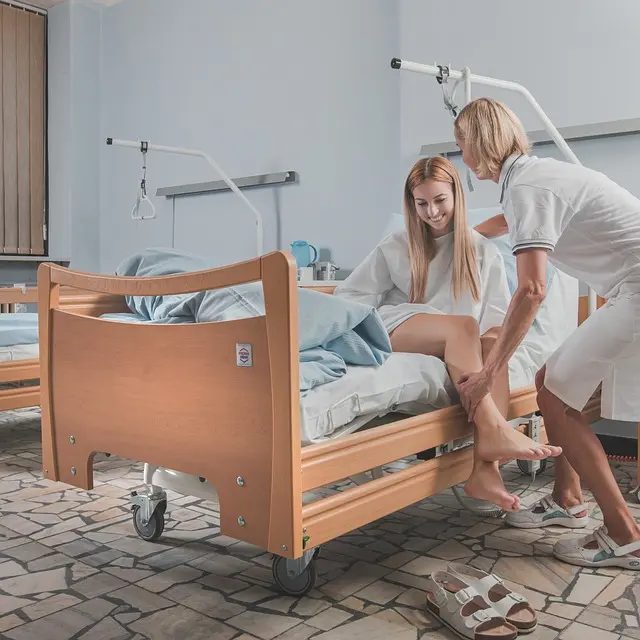
Home nursing care, or soins infirmiers à domicile, refers to a range of healthcare services delivered in the comfort of a patient's home. This can include physical therapy, wound care, medication administration, and personal care assistance, among other services. Contrary to traditional hospital care, home nursing allows individuals to recuperate in a familiar environment.
This type of care is often provided by registered nurses and other trained healthcare professionals. Home nursing is particularly beneficial for patients with chronic illnesses, recovery from surgery, or disabilities that limit their mobility. According to the World Health Organization, home-based care can lead to better health outcomes and enhances the quality of life for patients.
Myth #1: Home Nursing Care is Just for the Elderly
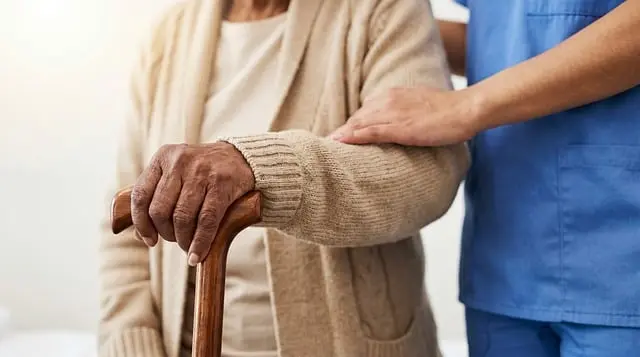
One of the most common misconceptions is that home nursing care is solely for elderly individuals. While many older adults do benefit from home care services, they are not the only group that requires this level of support. Many younger individuals with chronic illnesses, disabilities, or those recovering from surgery also rely on home nursing.
For instance, patients with conditions such as multiple sclerosis, cancer, or severe injuries may find home care essential for managing their health. In fact, a study conducted by the Journal of Home Health Care indicates that nearly 30% of home care patients are under the age of 60. This shows that all ages can benefit from tailored home care services.
Myth #2: Home Nurses are Not Trained Professionals
Another widespread myth is that home nursing care is provided by untrained individuals. On the contrary, home nurses and other healthcare professionals are highly trained and often hold advanced degrees in nursing or specialized areas of healthcare. They typically undergo rigorous training and certifications to provide high-quality care.
In the United States, registered nurses working in home care settings must be licensed and often complete additional training specific to home healthcare practices. This includes familiarizing themselves with how to manage home environments, patient assessments, and the use of medical equipment outside of a clinical setting. Thus, entrusting a home care provider ensures trained support diversifying the healthcare experience.
Myth #3: Home Care is Too Expensive
Many families believe that hiring home nursing care is financially out of reach. However, home care can often be more cost-effective than hospital stays or frequent doctor visits. According to the National Association for Home Care & Hospice, the average cost of home care is significantly lower than that of in-patient hospital care.
Moreover, home care services can often be tailored to fit various budgets. Families can choose to hire a nurse for full-time care or to come only as needed for specific tasks. Also, long-term insurance, medicare, and medicaid may cover certain aspects of home care services, making them more affordable than initially perceived. Planning and researching available financial options can greatly ease the burden.
Myth #4: Home Nursing Care is Isolating
Another myth that deters families is the idea that home care is isolating for patients. In reality, home nurses often provide companionship and social interaction, which can be beneficial for mental health. They encourage activities, assist with hobbies, and often become trusted friends of their patients.
Many nurses aim to promote mental wellness by ensuring their patients partake in social activities, whether by visiting friends or going for short walks outside. Various studies also indicate that social interactions contribute positively to recovery from illness or surgeries. Thus, home nursing care not only assists with physical health but nourishes emotional well-being.
Myth #5: Medical Care at Home is Less Effective
Some may believe that receiving medical care at home is less effective than in a hospital setting. However, studies show that many treatments can be performed safely at home with better outcomes. Research from the Mayo Clinic has demonstrated that patients receiving care at home report higher satisfaction levels compared to those hospitalized and often have lower rates of hospital readmission.
Home nursing services ensure medication adherence, provide education on disease management, and offer personalized care plans tailored to individual needs. This combination usually allows home care to achieve similar, if not superior, healthcare outcomes compared to traditional hospital stays. Furthermore, the comfort and familiarity of home often contribute positively to the healing process.
Myth #6: Home Care Services Are the Same Everywhere
Not all home care services are created equal. Each provider has its standards, capabilities, and expertise. Some home care agencies specialize in certain areas, such as geriatric care, while others may focus on pediatric nursing or recovery from specific surgeries.
When evaluating home care options, it's important to assess each service's credentials, reviews, and types of care offered. Patients are encouraged to ask about the home care agency's accreditation, training processes, and the specific services provided. Researching these aspects can lead to better care choices that match individual needs. Here's a quick comparison of different types of home care found:
| Type of Care | Geriatric Care | Pediatric Care | Post-Surgical Care |
|---|---|---|---|
| Focus on elderly needs | Specializes in children | Provides recovery support | Comprehensive education |
| Often includes physical therapy | May include developmental support | Assists with mobility and daily tasks | Offers wound care and therapy |
| Trained specialists | Pediatric nurses | Registered nurses | Licensed practical nurses |
Furthermore, home nursing care can adapt over time; as patients' needs evolve, their care plans can change, allowing flexibility in care decisions. Institutions like the American Nurses Association emphasize the importance of personalized care adaptations for the long-term success of patients receiving home nursing care.
Is Home Nursing Care Worth It?
When weighing the benefits and services of home nursing care, families often ask if it’s worth the investment. Given the personalized approach, professional care, and the potential for better health outcomes, the decision often leans toward a resounding yes. The comfort and convenience of care made available at home, in conjunction with highly trained professionals like registered nurses, offers a compelling case for families exploring their options.
As each situation is unique, conducting thorough research, considering personal needs, and consulting with healthcare professionals can provide clarity in making the best decision for home nursing care.
Final Thoughts
Assessing the myths surrounding home nursing care helps families make informed decisions about their loved ones' health needs. As professionals increasingly advocate for the effectiveness of home care, acknowledging the truth behind these misconceptions is essential in reducing stigma and promoting positive health outcomes. Ultimately, whether considering short-term support or advocating for long-term care, home nursing can offer a compassionate alternative to traditional healthcare settings.
Checklist before Buying
- [ ] Assess the patient's needs
- [ ] Research available home care services
- [ ] Verify the credentials and training of home nurses
- [ ] Compare costs and coverage options
- [ ] Plan for both physical and mental wellness
Glossary
| Term | Definition |
|---|---|
| Home Nursing Care | Healthcare services delivered at home by trained professionals to assist with medical and daily needs |
| Chronic Illness | A long-term health condition that may require ongoing management and support, such as diabetes or arthritis |
| Personal Care Assistance | Help with daily activities, including bathing, dressing, and meal preparation, typically provided by caregivers |
> 🧠 Quiz rapide : What is a common myth about home nursing care?
> - A) It's just for the elderly
> - B) It's always free
> - C) It's less effective than hospital care
> Réponse : A — Many age groups benefit from home care.
📺 For further insights:* Understanding the Benefits of Home Nursing Care*, a comprehensive analysis of the importance of home health services. Search on YouTube: "benefits of home nursing care".
📺 Pour aller plus loin : benefits of home nursing care sur YouTube