Table of Contents (18 sections)
As the healthcare landscape evolves, home nursing has become an increasingly vital part of patient care. Home nurses play a crucial role in delivering personalized healthcare services, allowing patients to receive treatment in the comfort of their homes. In this article, we will explore the essential skills every home nurse should possess, helping you to ensure the best care for your loved ones or patients.
1. Excellent Communication Skills
Effective communication is at the heart of nursing, especially in a home care setting. Home nurses must actively engage with patients and their families to understand their needs, preferences, and concerns. This includes not only verbal communication but also non-verbal cues like body language, which can indicate a patient's emotional state or discomfort.
Additionally, nurses should be skilled in explaining medical information in a way that is easily understood, using layman's terms where necessary. For example, when discussing medication dosages or care protocols, a home nurse should clarify any potential side effects to ensure that families are fully informed and can ask questions. Strong communication fosters trust and teamwork, ultimately leading to better patient outcomes.
2. Compassion and Empathy
Compassion and empathy are essential skills for any nursing professional, but they are particularly critical in home care settings. Home nurses often work with patients who may be in pain, experiencing emotional distress, or facing significant life challenges. A compassionate approach can make a significant difference in a patient's experience.
For instance, a home nurse who shows empathy by actively listening to a patient’s worries about their condition can create a supportive environment that encourages open dialogue. This emotional connection not only helps build trust but also enhances the overall care experience for the patient, fulfilling their emotional as well as physical needs.
3. Strong Problem-Solving Skills
In the ever-changing landscape of healthcare, home nurses face unique challenges that require swift and effective problem-solving skills. Whether it is managing a sudden change in a patient's condition or coordinating with various healthcare providers, home nurses must think critically and adapt quickly to various situations.
For instance, if a patient experiences an adverse reaction to a medication, a home nurse should be prepared to assess the severity of the reaction, communicate effectively with the physician, and intervene appropriately. Such instances require not only clinical knowledge but also the ability to act decisively under pressure, ensuring patient safety and well-being.
4. Clinical Skills and Knowledge
While compassionate care is paramount, clinical skills and knowledge remain foundational for effective home nursing. This includes monitoring vital signs, administering medications, changing dressings, and handling medical equipment.
Home nurses should also keep abreast of the latest advancements in medical treatments and technology. For instance, understanding how to operate telehealth technology can enhance patient outcomes by allowing for remote monitoring and consultations. Continuous education and training play a vital role in maintaining these essential clinical skills.
5. Organization and Time Management
Home nurses often manage multiple patients with various needs, making organization and efficient time management crucial skills. They need to prioritize tasks effectively to ensure that each patient receives the timely care they need. This involves creating care plans, documenting patient progress, and coordinating home visits or therapy schedules.
For example, a home nurse may need to balance conducting a comprehensive check-up in the morning with administering medications and providing patient education in the afternoon. Having effective organizational skills enables nurses to maximize their efficiency, ultimately enhancing patient care.
6. Emotional Resilience
Working in home healthcare can be emotionally taxing, particularly when dealing with patients facing chronic or terminal illnesses. Hence, emotional resilience is an important attribute for home nurses. This doesn't mean being impervious to emotions but rather cultivating the ability to cope with stress and recover from challenging experiences.
For instance, a home nurse might experience empathetic distress after the loss of a patient. Being emotionally resilient allows them to process these feelings constructively and continue providing high-quality care to other patients. Regular self-care and seeking peer support can help nurses build this essential resilience.
7. Technical Proficiency
Today's home healthcare relies heavily on technology, from electronic health records to telemedicine platforms. A proficient home nurse must be comfortable using various technologies to streamline patient care, document their work, and communicate with other healthcare providers efficiently.
For instance, a home nurse may use electronic health record systems to update patient information seamlessly, ensuring all parties involved in the patient's care are informed and coordinated. With the increase in remote patient monitoring devices and telehealth solutions, being tech-savvy is a crucial aspect of modern nursing.
8. Cultural Competency
In increasingly diverse societies, cultural competency is an essential skill for home nurses. It involves understanding and respecting the patient’s cultural background, beliefs, and values, which can significantly influence healthcare decisions and preferences.
For example, a home nurse might encounter patients from different cultural backgrounds, each with unique health practices or views on medical treatments. Appreciating these differences fosters a more inclusive care environment and improves patient comfort and satisfaction.
Comparison of Essential Skills
| Skill | Importance | Example Scenario | Recommendation |
|---|---|---|---|
| Communication Skills | High | Explaining medications to patients | Role-playing patient interactions |
| Compassion | High | Listening to patients' emotional concerns | Attending empathy training |
| Problem-Solving | Moderate | Managing sudden changes in health status | Attending critical thinking workshops |
| Clinical Knowledge | High | Administering and monitoring medication | Participating in CPC training |
| Organization | High | Managing multiple patient schedules | Using digital scheduling tools |
| Emotional Resilience | Moderate | Coping with grief from losing a patient | Regular peer support meetings |
| Technical Proficiency | Moderate | Using telemedicine platforms | Joining IT training programs |
| Cultural Competency | High | Understanding a patient’s cultural background and its effects on care | Engaging in cultural sensitivity training |
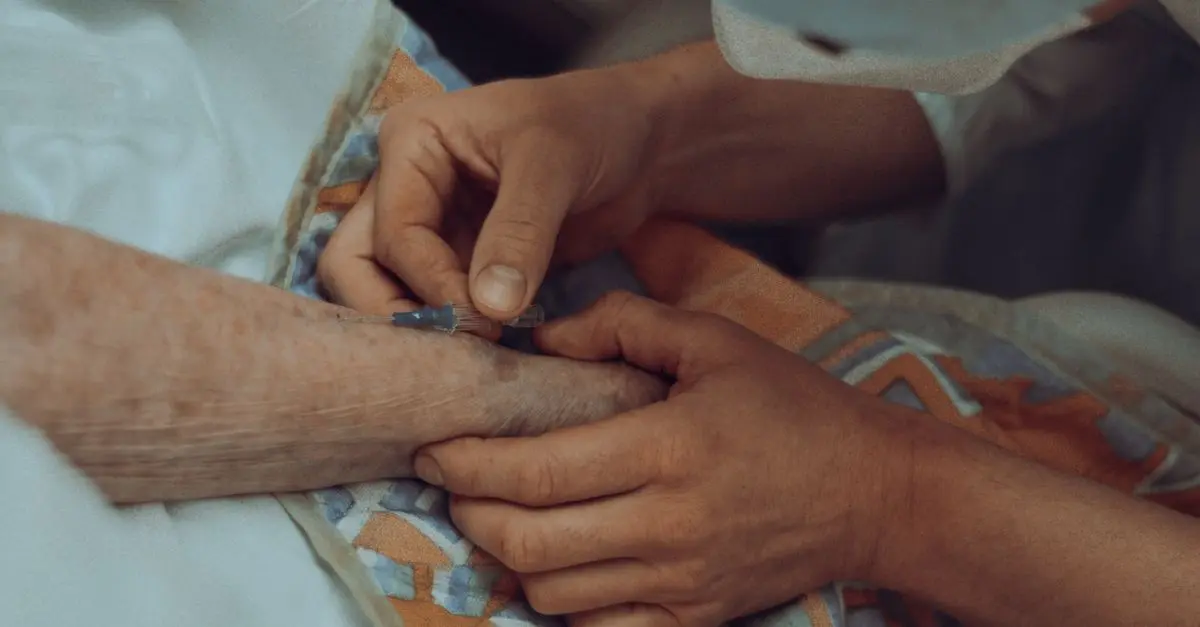
home nursing skills training.
Frequently Asked Questions
Q1: What qualifications do home nurses need?
A1: Home nurses typically need nursing degrees (LPN or RN) and may also require certifications in home health care.
Q2: How do home nurses manage their schedules?
A2: Home nurses often use technology like scheduling apps to manage their patient visits efficiently while ensuring quality care.
Q3: What should families expect from a home nurse?
A3: Families can expect a home nurse to provide medical care, emotional support, and personalized health education tailored to the patient's needs.
Q4: How can nurses handle difficult conversations with patients?
A4: Nurses should approach difficult conversations with honesty, empathy, and an understanding of the patient’s emotional state to foster a supportive dialogue.
Glossary
| Term | Definition |
|---|---|
| Home Nursing | A nursing service that provides healthcare in the patient’s home environment. |
| Cultural Competency | The ability to understand, appreciate, and interact effectively with people from diverse cultures. |
| Emotional Resilience | The capacity to recover quickly from difficulties and cope with stressful experiences in a healthcare setting. |
Checklist before hiring a home nurse
- [ ] Assess the nurse's communication skills
- [ ] Evaluate their clinical knowledge and experience
- [ ] Confirm their qualifications and certifications
- [ ] Discuss their approach to emotional support
- [ ] Ensure flexibility in scheduling and availability
In conclusion, possessing a combination of the skills outlined above enables home nurses to provide optimal care to their patients, promoting health and well-being in the community. Whether you are a seasoned home nurse or someone considering this rewarding career, focusing on these essential skills can significantly enhance your practice and improve patient outcomes.
For more information and resources on nursing skills, join our community and stay updated on the latest trends in home healthcare!
📺 Pour aller plus loin : essential skills for home nurses sur YouTube