Table of Contents (12 sections)
When it comes to home nursing care, it's essential to provide the highest level of support to ensure patient safety and comfort. Unfortunately, many caregivers make mistakes that can compromise care quality. This article outlines the most common errors to avoid in home nursing care and provides actionable tips to improve your approach.
1. Underestimating the Importance of Communication
Effective communication is the backbone of quality home nursing care. Caregivers often assume that patients will communicate their needs clearly. However, this is not always the case, particularly with elderly individuals or those with cognitive impairments. It’s essential to actively encourage patients to express their feelings and needs. Regularly checking in and using open-ended questions can facilitate better interaction. For example, instead of asking if they need anything, you might ask, "How has your day been? Is there anything on your mind?" This approach fosters an environment where patients feel comfortable sharing.
2. Failing to Create a Comprehensive Care Plan
A detailed care plan is crucial for providing effective nursing care at home. Many caregivers also skip this step, relying solely on verbal instructions or fragmented information. A comprehensive care plan should outline daily routines, medications, appointment schedules, and specific dietary needs. According to research, over 70% of negative health outcomes can be linked to a lack of a structured care plan. Additionally, involving family members in the planning process can create a more supportive atmosphere for the patient.

HOMCOM Desserte de cuisine îlot central cuisine roues pivotantes 360° étagères avec barrières 65 x 39 x 80 cm naturel
Aosom FR

HOMCOM Desserte de cuisine à roulettes îlot de cuisine placard 2 porte étagères range couverts et condiments latéral
Aosom FR

HOMCOM Dessert cuisine à roulettes îlot central cuisine avec plateau en acier, étagère réglable, tiroir, porte-épices, blanc
Aosom FR
3. Neglecting Safety Precautions
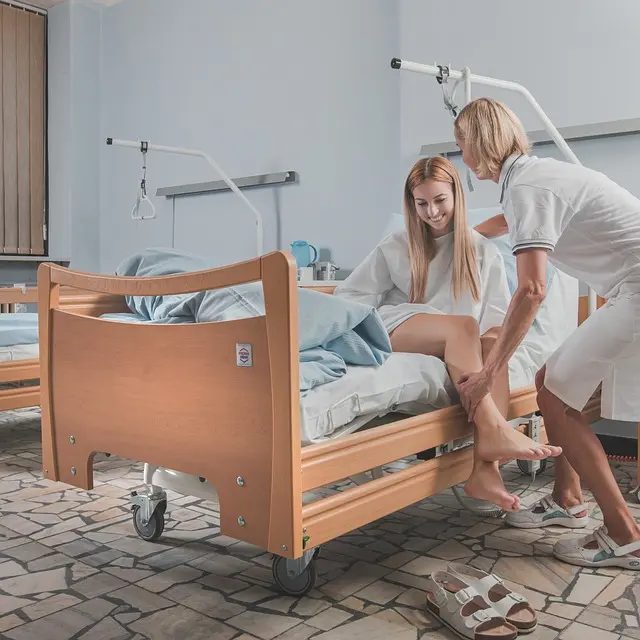
Safety should be a priority in any home nursing environment. Caregivers often overlook potential hazards that could lead to falls or injuries. Ensure that the home is free of clutter, that lighting is adequate, and that assistive devices are properly used. For instance, using non-slip mats in bathrooms and ensuring that handrails are installed along staircases can significantly reduce fall risks. Conducting a safety assessment of the environment not only protects the patient but also eases the caregiver's burden.
4. Ignoring Signs of Deteriorating Health
Vigilance is key for home nursing caregivers. Sometimes, signs indicating health deterioration are subtle, and caregivers might overlook them. It could be as simple as a change in appetite or increased fatigue. Regularly monitoring vital signs and other health indicators can help in identifying issues early. For instance, if a patient who normally engages in activities suddenly shows disinterest, it’s worth investigating further. Being proactive can lead to early interventions that may improve or stabilize the patient’s condition.
5. Overlooking the Need for Personal Care
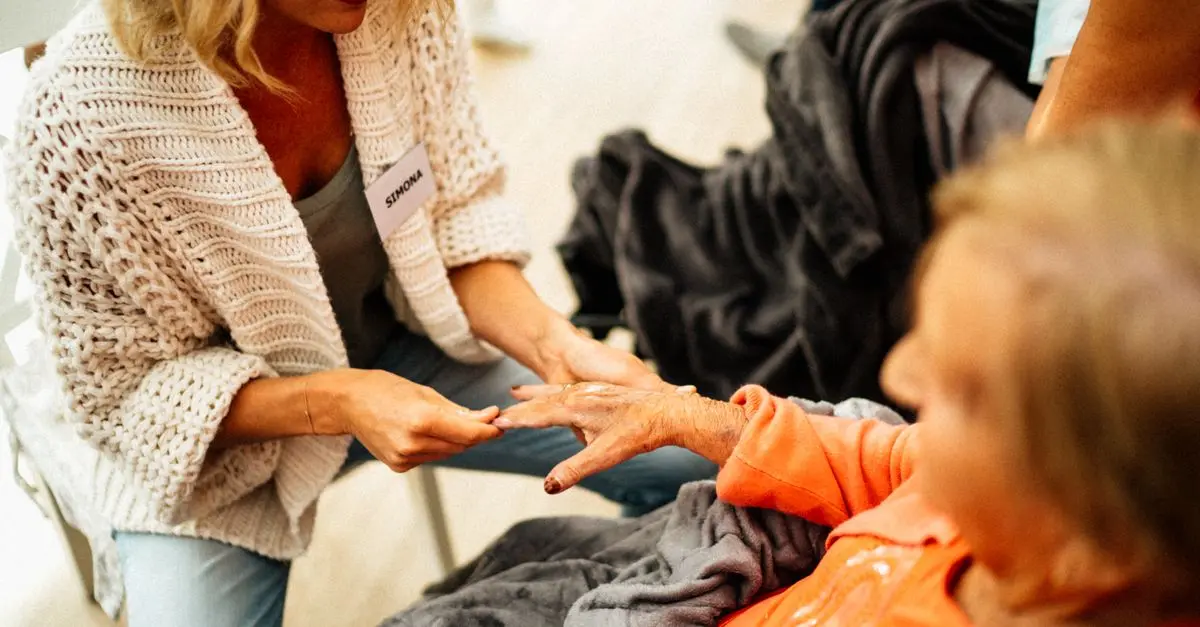
Personal care is not just washing and dressing; it includes maintaining dignity, comfort, and emotional well-being. Many caregivers focus solely on medical tasks and neglect the emotional aspects of care. This can lead to feelings of depression or anxiety in patients. Engaging in activities such as reading together, playing games, or simply having conversations about their interests can greatly enhance their quality of life. Understanding the patient’s life history and what brings them joy can create a more fulfilling caregiving relationship.
6. Not Utilizing Available Resources
Many caregivers are unaware of the resources available to support home nursing care. This includes community services, healthcare programs, and equipment rentals. These resources can significantly ease the burden on caregivers and improve patient care. For instance, local organizations might offer training sessions or supplies that can enhance the level of care provided. Keep an updated list of health professionals, agencies, and support groups as they can be invaluable during challenging times.

HOMCOM Desserte cuisine chariot à roulettes multi-rangements 4 paniers étagères métallique coulissants acier MDF chêne clair Aosom France
Aosom FR

HOMCOM Desserte de cuisine à roulettes multi-rangements plateau en bois de pin avec 2 tiroir porte-serviettes porte-verres à vin blanc
Aosom FR

HOMCOM Chariot de Cuisine Classique avec Tiroirs, Roues et Placard 2 Portes Gain de Place 89x40x84cm, Noir
Aosom FR
7. Skipping Ongoing Education and Training
Healthcare is an ever-evolving field; thus, ongoing education is vital for caregivers. Many tend not to seek further training after their initial qualifications, which can result in outdated practices. Staying informed about the latest medical guidelines, technology, and caregiving strategies can drastically impact the quality of care. Consider attending workshops, online courses, or discussions led by healthcare professionals to continuously upgrade your skills.
8. Not Taking Care of Yourself
Sustaining a high level of care for others can take a toll on your health. Caregivers often neglect their own physical and mental well-being. This can lead to burnout, which affects the quality of care provided. It's essential to take regular breaks, practice self-care, and seek support from friends or fellow caregivers. Engaging in activities that rejuvenate you, whether it's exercising, pursuing hobbies, or simple relaxation, means you'll be much more equipped to provide care effectively.
📺 For Further Insight:
Learn more about common pitfalls in home nursing in this video: "Common Mistakes in Home Health Care", available on YouTube. Search: "common mistakes in home nursing care 2026".
Glossary
| Term | Definition |
|---|---|
| Care Plan | A structured plan detailing patient care needs and schedules. |
| Vigilance | The state of being watchful and alert to potential problems. |
| Personal Care | Activities that ensure the hygiene, comfort, and dignity of a patient. |
Checklist Before Starting Home Nursing Care
- [ ] Create a comprehensive care plan.
- [ ] Conduct a safety assessment of the home.
- [ ] Establish an open line of communication with the patient.
- [ ] Monitor for signs of health deterioration.
- [ ] Stay informed on available resources for support.
🧠 Quick Quiz: What is the most important aspect of home nursing care?
- A) Medical precision
- B) Effective communication
- C) Scheduling appointments
Answer: B — Effective communication fosters trust and ensures patients feel valued.
By avoiding these common mistakes in home nursing care, both patients and caregivers can experience better outcomes and a more fulfilling care journey.
📺 Pour aller plus loin : common mistakes in home nursing care 2026 sur YouTube
Recommended products
Selected by our experts
HOMCOM Desserte de cuisine îlot central cuisine roues pivotantes 360° étagères avec barrières 65 x 39 x 80 cm naturel
Aosom FR
HOMCOM Desserte de cuisine à roulettes îlot de cuisine placard 2 porte étagères range couverts et condiments latéral
Aosom FR
HOMCOM Dessert cuisine à roulettes îlot central cuisine avec plateau en acier, étagère réglable, tiroir, porte-épices, blanc
Aosom FR
HOMCOM Desserte cuisine chariot à roulettes multi-rangements 4 paniers étagères métallique coulissants acier MDF chêne clair Aosom France
Aosom FR
HOMCOM Desserte de cuisine à roulettes multi-rangements plateau en bois de pin avec 2 tiroir porte-serviettes porte-verres à vin blanc
Aosom FR
HOMCOM Chariot de Cuisine Classique avec Tiroirs, Roues et Placard 2 Portes Gain de Place 89x40x84cm, Noir
Aosom FR