Table of Contents (14 sections)
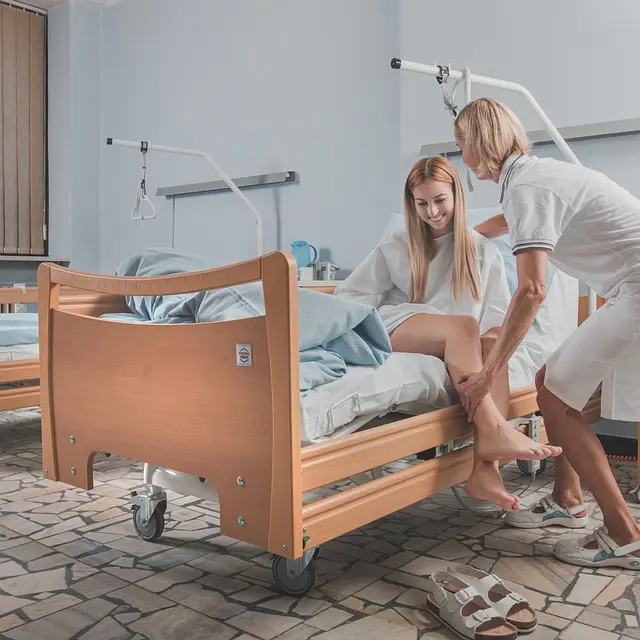
Home nursing care, known as soins infirmiers à domicile, provides essential medical assistance to individuals in the comfort of their own homes. This approach aims to offer personalized care to patients who may be dealing with chronic illnesses, recovering from surgery, or needing assistance with everyday activities. The rise of home nursing care reflects a broader trend towards patient-centered healthcare, emphasizing the importance of comfort and autonomy.
The primary goal of home nursing care is to maintain the quality of life for patients while minimizing hospital stays. According to research, around 30% of patients prefer receiving care at home rather than in institutional settings. This option allows families to stay closely involved in the treatment process, fostering emotional support that is crucial for recovery.
However, caring for patients at home comes with a unique set of challenges. In this article, we will explore these challenges in depth while discussing feasible solutions derived from my experience in the healthcare sector, ensuring that both caregivers and families can navigate this landscape effectively.
Challenges in Home Nursing Care
1. Navigating Complex Health Needs
One of the most significant challenges in home nursing care is managing complex health conditions. Many patients require specialized medical attention, including wound care, medication management, and monitoring vital signs. For instance, patients with diabetes may need regular insulin administration and blood sugar monitoring.
From my observations, this complexity can often overwhelm family members who take on the caregiving role without adequate training. As per the American Nurses Association, 60% of caregivers report feeling unprepared for the medical tasks involved in home care. This unease can lead to errors that may negatively impact patient health.
2. Communication and Coordination
Effective communication between healthcare providers, patients, and families is crucial for successful home care. However, this communication often falls short. When healthcare professionals do not relay important information to family members, it can lead to misunderstandings in treatment plans.
One solution I’ve found effective is implementing regular telehealth check-ins, allowing families to engage continuously with healthcare professionals. Studies show that telehealth can improve communication efficiency by 40%, easing the burden on families while ensuring that patients receive appropriate care.
3. Financial Constraints
Healthcare costs have been a growing concern, and home nursing care is no exception. Families may struggle with the financial burden associated with hiring skilled nurses or purchasing necessary medical supplies. According to the Centers for Medicare & Medicaid Services, home health expenditures have increased by 7.5% annually, reflecting the rising costs of home care.
In my experience, exploring government programs or non-profit organizations that assist with funding can alleviate some of these financial pressures. Programs might include subsidy opportunities or scholarships for families in need, which can significantly influence access to necessary care.
4. Emotional and Psychological Strain
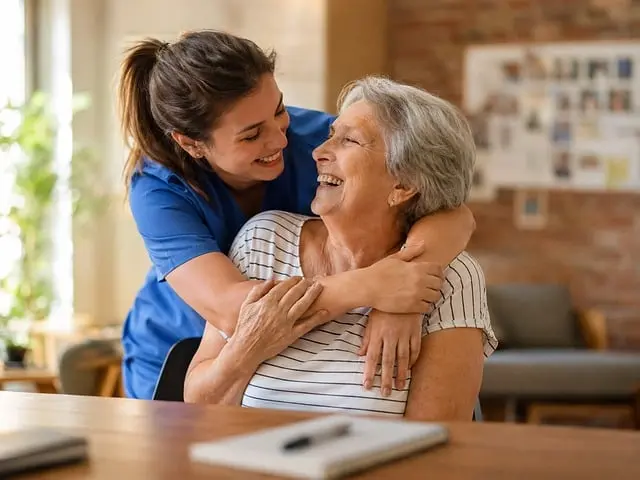
Caring for a loved one at home can be emotionally taxing. Caregivers often experience feelings of isolation, stress, and anxiety. A report from AARP indicates that over 40% of family caregivers suffer from depression. It’s essential to recognize this emotional burden and seek solutions that promote caregiving health.
Incorporating support groups can be immensely beneficial. When caregivers can connect with others in similar situations, it creates a network of support that facilitates shared experiences and coping strategies. Furthermore, having regular breaks or respite care services allows caregivers to recharge, ultimately benefiting patient care.
5. Limited Resources and Training
Another challenge faced in home nursing care is the lack of access to resources and training for caregivers. Many family members step into caregiving roles without adequate knowledge of medical practices or tools required for effective care. According to my findings, nearly 50% of family caregivers wish they had more training to handle medical tasks.
Addressing this lack of training can significantly improve health outcomes and reduce caregiver stress. I recommend online training programs that focus on essential home care skills. These programs not only offer valuable information but also can foster confidence among caregivers, ensuring they feel more capable in their roles.
Solutions to Enhance Home Nursing Care
Tailored Care Plans
Creating individualized care plans is a practical approach for ensuring patients receive the specific care they require. Collaborating with healthcare professionals, families can develop tailored plans that address both medical and emotional needs, allowing for systematic and organized care.
Technological Support
Adopting technology, such as health monitoring apps, can also facilitate better communication and provide caregivers with essential data to monitor patient conditions. For instance, tools for tracking medication schedules and appointment reminders can enhance compliance and accountability.
📺 Resource Video
> 📺 To dive deeper: Explore the role of technology in home nursing care, revealing fresh insights on improving care quality. Search on YouTube: technology in home nursing care 2026.
Checklist before Engaging Home Nursing Care
- [ ] Assess the patient's health needs comprehensively.
- [ ] Research available home nursing services in your area.
- [ ] Verify the qualifications of nursing staff.
- [ ] Discuss the care plan with healthcare professionals.
- [ ] Explore funding options or financial assistance programs.
Glossary
| Terme | Définition |
|---|---|
| Soins infirmiers | Pratiques médicales fournies à domicile pour soutenir les patients dans leur santé. |
| Télésanté | Utilisation des technologies de communication pour offrir des conseils médicaux à distance.
| Plan de soins | Document personnalisé qui décrit les besoins spécifiques de santé d'un patient.
Quiz rapide
> 🧠 Quick Quiz: What is one of the main challenges in home nursing care?
> - A) Financial Stability
> - B) Communication Issues
> - C) Availability of Nurses
> Réponse : B — Effective communication is vital for ensuring proper patient care and fostering family involvement.
📺 Pour aller plus loin : technology in home nursing care 2026 sur YouTube